Essential Gear
- Tripod — Essential for long exposures to avoid blur. Sturdy and lightweight (carbon fiber great in cold).
- Camera — Modern mirrorless/DSLR with good high-ISO performance. Smartphones with night/pro mode work surprisingly well too.
- Lens — Wide-angle (14–24mm full-frame equivalent) and fast (f/1.4–f/2.8) to gather maximum light.
- Extras — Remote shutter or self-timer, spare batteries (cold drains fast), headlamp with red light, warm layers, lens warmer for dew/frost.
Best Camera Settings (Starting Point)
- Switch to manual mode and shoot in RAW for editing flexibility.
- Aperture: Widest possible (f/1.4–f/2.8).
- ISO: 800 to 3200 (start 1600 to 3200; adjust for noise/exposure).
- Shutter Speed: 3–25 seconds – shorter (3–10s) for fast-moving aurora, longer (10–25s) for subtle displays.
- Focus: Manual to infinity (use live view, zoom on bright star, tape focus ring to lock).
- Test shots & histogram: Avoid overexposure (washed colors) or underexposure (noise).
For smartphones: Use Night/Pro mode with tripod – 10–20s, ISO 800+. Many recent models handle this excellently.
Composition & Shooting Tips
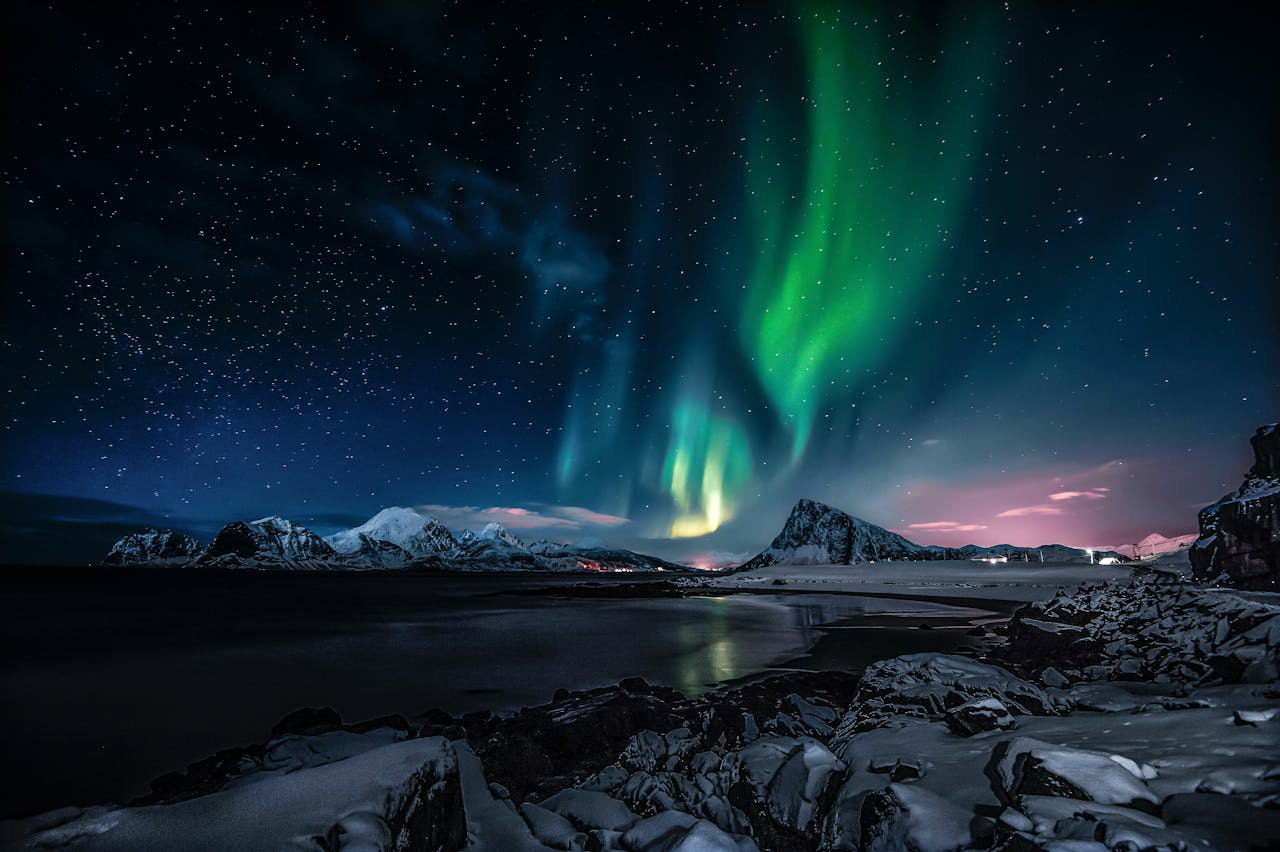
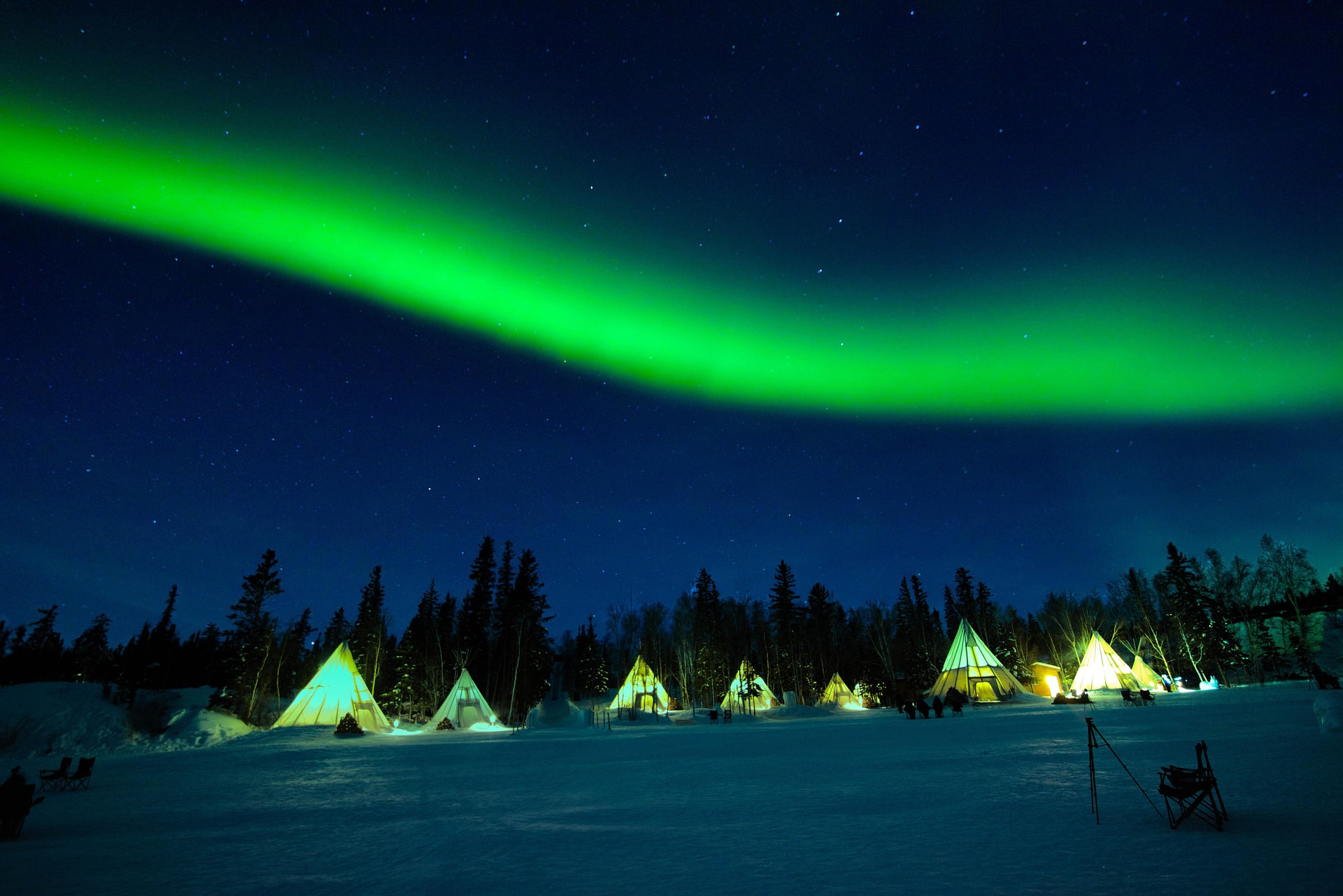
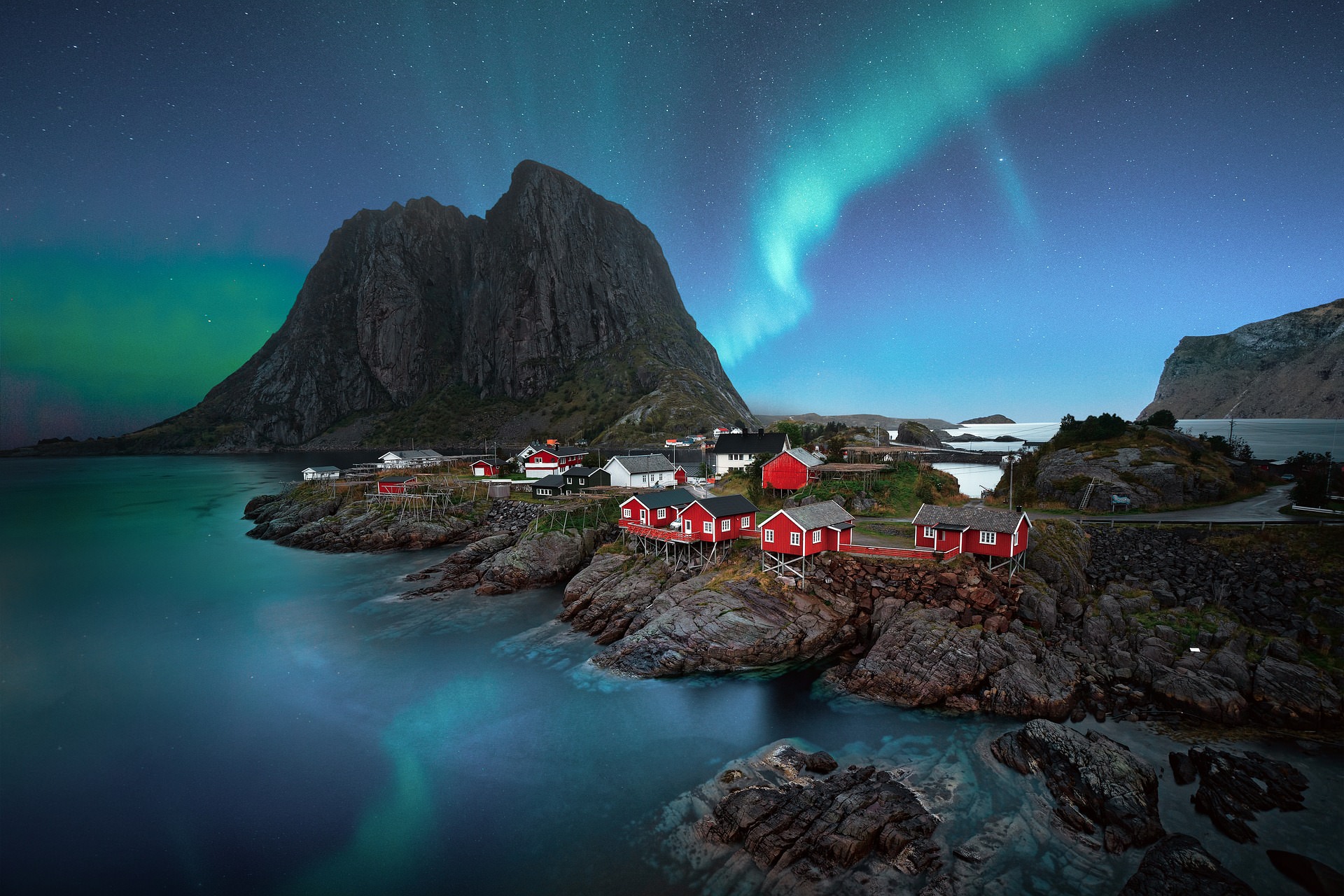
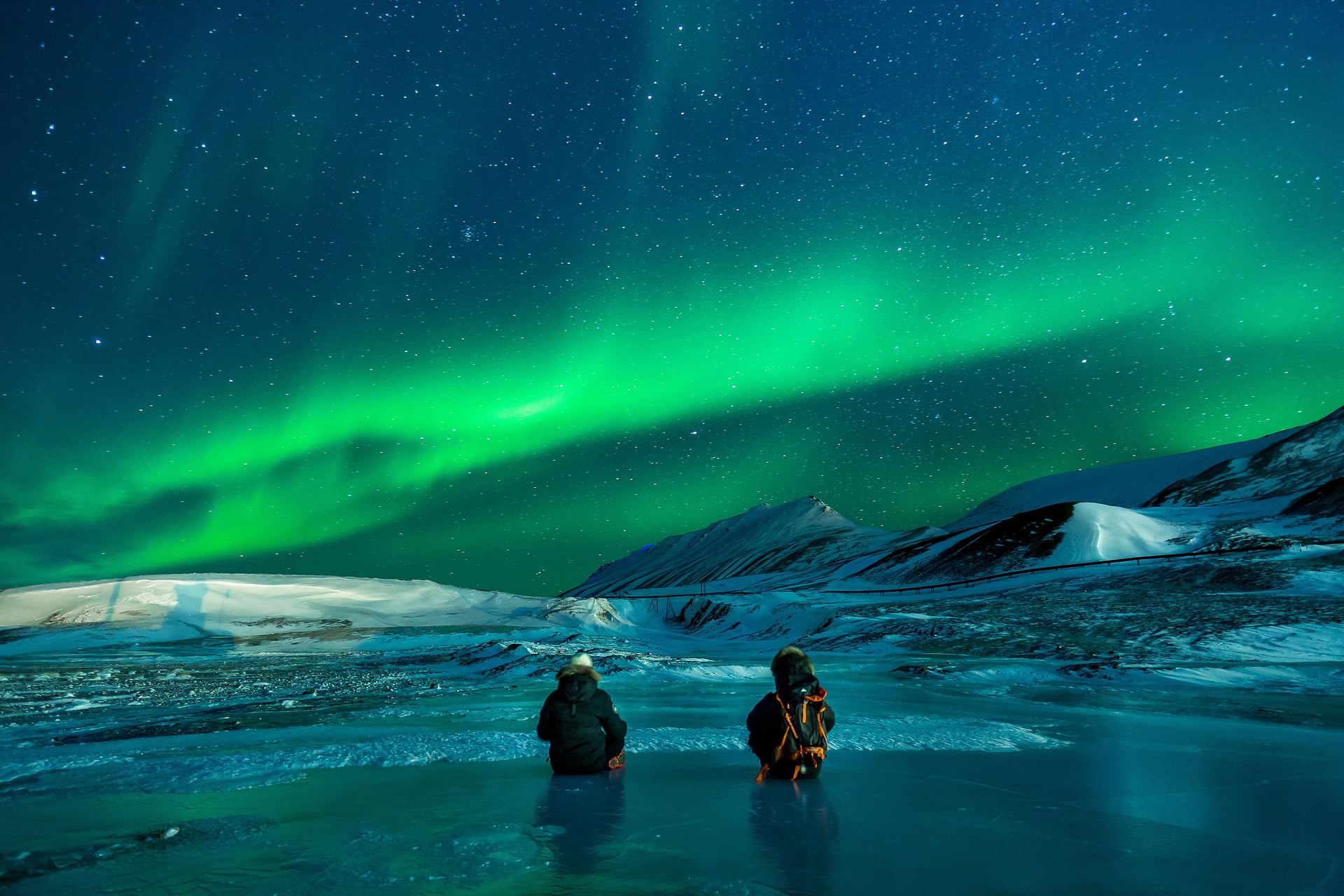
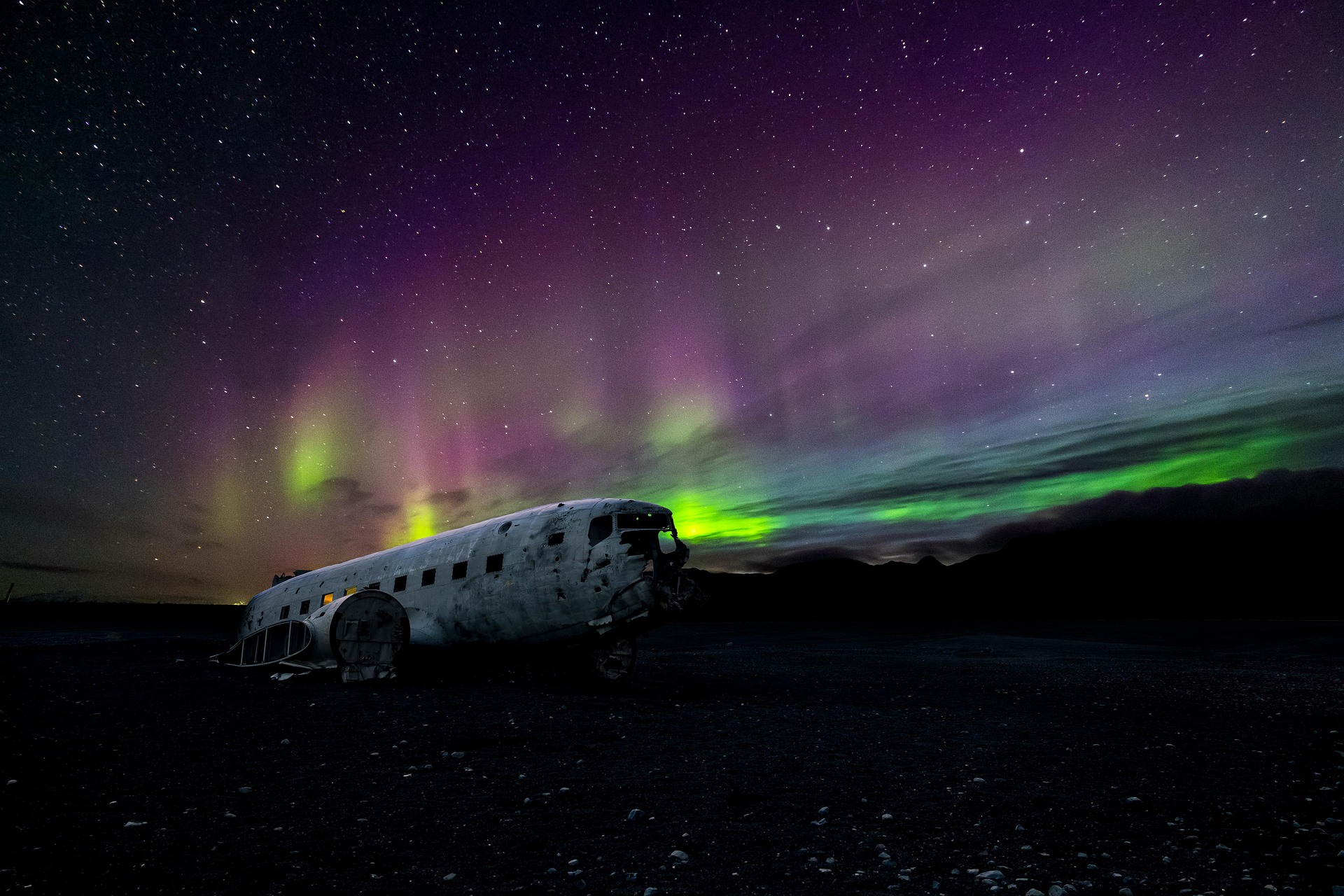
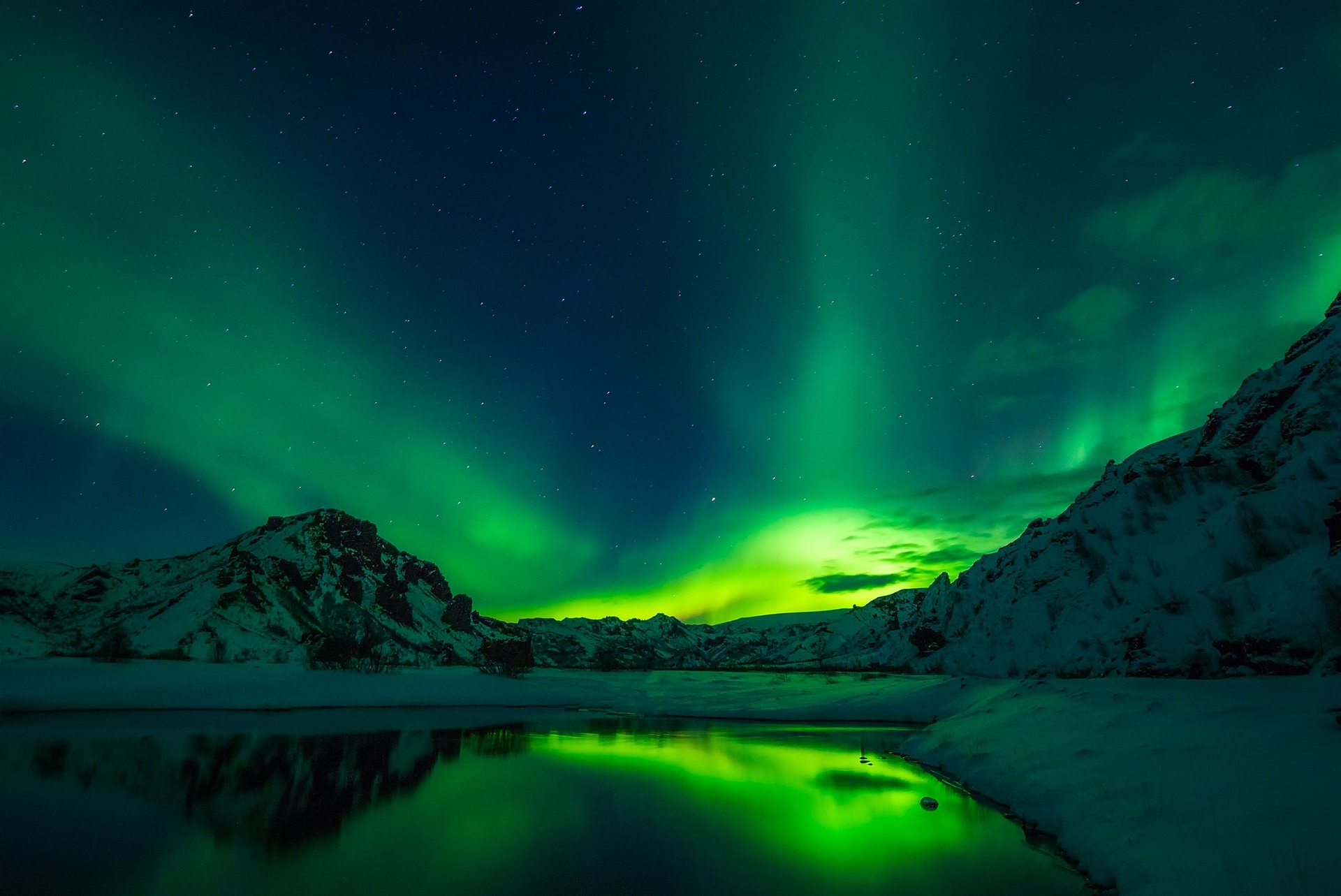
- Include foreground — Trees, lakes (reflections), mountains, cabins or people for scale and interest.
- Rule of thirds — Place horizon low/high for drama; frame aurora around subject.
- Angles — Wide for epic skies, vertical for tall curtains, low for reflections.
- Timing — After dark, clear skies, no moon. Best 21:00–02:00, peak often midnight. Use auroramap.de for Kp 5+ forecasts.
- Shoot bursts — Aurora moves fast; capture peaks.
- Post-processing — Lightroom/Photoshop: Boost shadows/highlights, white balance ~3500–4500K, reduce noise, subtle vibrance.
Mid-Latitude Tips (Germany/Europe)
At lower Kp, auroras appear lower and fainter – use longer exposures (15–30s) and higher ISO, but watch noise. Strong storms (Kp 7+) bring overhead vivid colors – perfect for dramatic shots!
Practice these on clear nights using our live Kp/Bz data. Patience and experimentation lead to breathtaking images. Share your shots on Instagram @auroramap.de! 🌌
more helpful links
A very nice blog post by Marina Zeiler about the aurora event in January, when we were able to marvel at the Northern Lights not only in Northern Germany but even as far as the Alps. Aurora in Germany
Discover more detailed information on aurora photography post processing and settings to get the most out of your images. Aurora photography post processing